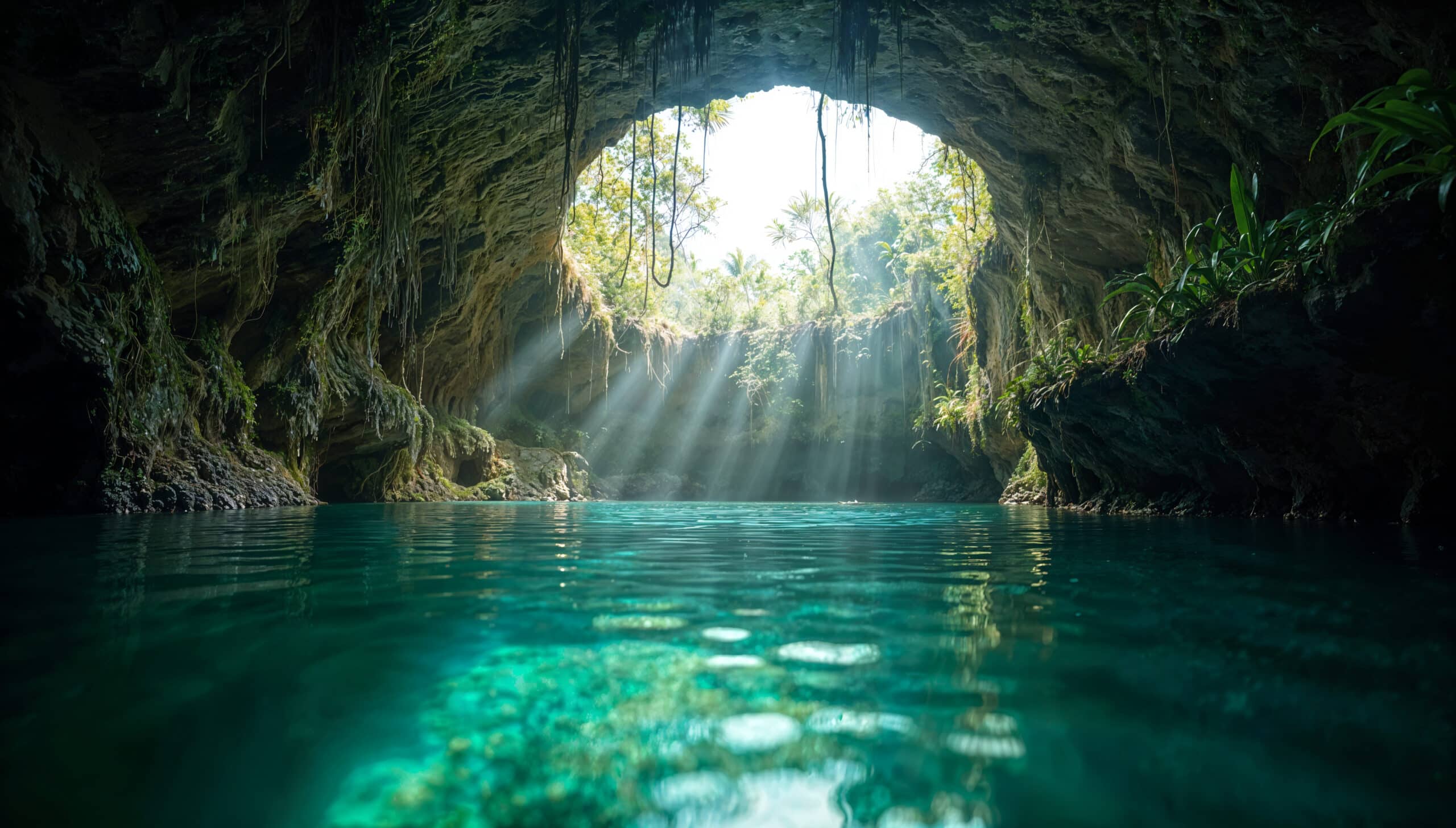
In the Dominican Republic, specifically in the province of San Juan, there are several geological formations (caves) of great tourist and geological interest.
Some of the best-known caves are:
- Cueva de las Maravilas, in the neighboring province of San Pedro de Macorís
- Cave of the Virgin
- Pomier Cave
- Catanamatías Cave in Las Matas de Farfán
- Ceboruco Cave in Sabaneta.
- Cueva de las Cotorras Cave
- Cueva de los Indios
These caves, among others, are not only a tourist attraction but also a fundamental part of the island’s natural and cultural history. If you plan to visit them, it’s advisable to do so with a tour guide, as the rock formations can be complex and some areas are difficult to access.
Cueva de las Maravillas
The Cueva de las Maravillas, famous for its impressive rock formations—such as stalactites and stalagmites—and for the cave paintings left on its walls by the ancient Taíno people, is not located in the province of San Juan, but in the neighboring province of La Romana, in the eastern region of the Dominican Republic.
This cave is one of the country’s most visited tourist attractions and is located along the Autovía del Este, near the municipality of San Pedro de Macorís.
The cave paintings found on its walls offer a unique window into the island’s pre-Columbian history and are considered one of the most important artistic expressions of the Taíno culture in the Caribbean.
Cave of the Virgin
The Cueva de la Virgen, located in the province of San Juan, Dominican Republic, is an interesting site from both a historical and religious perspective, as it is associated with various local legends and beliefs.
This cave is located in the mountains near the town of San Juan de la Maguana and is known for its natural beauty and as a place of pilgrimage for some residents of the region. Inside, there is a small statue of the Virgin Mary, which lends it a special air of devotion.
The cave is also a place where you can see impressive rock formations.
In addition to its religious significance, the Cueva de la Virgen is surrounded by breathtaking natural scenery, making it a popular destination for ecotourism and adventure enthusiasts.
If you’re interested in visiting, it’s recommended that you go with a local guide, since access can be somewhat difficult and requires certain precautions due to its location in the mountains.
It’s a place that’s largely unknown to mass tourism, which gives it a special charm and allows for a more peaceful and authentic experience.
Pomier Cave
The Pomier Cave is also located in the province of San Juan, near the municipality of El Cercado, and is one of the country’s most important archaeological sites.
This cave is famous for its rock art and historical significance, as it contains numerous paintings and engravings created by the ancient Taíno people, the indigenous inhabitants of the island before the arrival of Europeans.
The paintings and petroglyphs depict figures from nature, such as animals, human figures, and symbols related to Taíno beliefs and worldview. These works offer a unique insight into the life and spirituality of the Taínos.
The Pomier Cave is known not only for its historical and cultural significance, but also for its rock formations—such as stalactites and stalagmites—which create a stunning and unique atmosphere inside the cave.
Catanamatías Cave in Las Matas de Farfán
The Catanamatías Cave, located in Las Matas de Farfán in the province of San Juan, Dominican Republic, is a little-known destination in terms of mass tourism, but it is a site of interest for those seeking to explore the region’s natural and cultural heritage.
Located in a mountainous area, reaching it requires a somewhat challenging hike or trek, so it is advisable to hire a local guide who knows the terrain well.
It is a place surrounded by natural beauty, with vegetation and scenery that make the journey an interesting experience in itself.
Ceboruco Cave in Sabaneta
The Ceboruco Cave, located in Sabaneta in the province of San Juan, Dominican Republic, is known for its natural beauty, its geological significance (stalactites and stalagmites), and ecotourism, although it is not as famous or as frequently visited as other caves in the country, such as the Cueva de las Maravillas or the Cueva del Pomier.
The cave is located in a rural area surrounded by vegetation and natural landscapes, making it an excellent choice for ecotourism enthusiasts and anyone seeking a more direct connection with nature. The hike to the cave and the exploration of its interior offer an experience in nature, far from mass tourism.
Access to the cave can be a bit difficult, as it is located in a mountainous area of the Sabaneta region. It is recommended that you visit with a local guide who knows the terrain and the best routes to the cave.
In addition to its natural beauty, the cave is an ideal destination for adventurers and those interested in exploring geological formations in less accessible and more authentic settings.
Cueva de las Cotorras Cave
The Cueva de las Cotorras, located in the province of San Juan, Dominican Republic—specifically in the Las Cotorras area, near the municipality of San Juan de la Maguana—is an important natural and ecological attraction in the region, known for its beauty and for serving as a habitat for various bird species.
The cave is famous for being home to a large number of cotorras, a species of parrot native to the Caribbean known as the Hispaniolan cotorra.
These birds, which are the cave’s main attraction, nest on the walls and ceiling of the cave, creating a breathtaking sight when they can be seen flying in large numbers.
In addition to being a refuge for parrots, the cave features interesting rock formations, such as stalactites and stalagmites.
The birds, together with the geological formations, create a unique landscape.
To reach the cave, you’ll need to take a hike through nature, which makes the visit an ecotourism experience. Since the terrain can be somewhat rugged, and access to the site may vary depending on weather conditions, it’s recommended that you go with a local guide.
Cueva de los Indios
The Cueva de los Indios, located in the province of San Juan, near the municipality of El Cercado in the southwestern region of the country, is famous for its connection to the island’s first inhabitants, the Taínos, and for the cave paintings that adorn its walls.
Their cave paintings—which include depictions of animals, symbols, and human figures—offer a unique insight into the worldview, beliefs, and daily life of the Taínos, the indigenous peoples who inhabited the island before the arrival of European colonizers.
The cave also features spectacular rock formations, with stalactites and stalagmites that give it a mysterious and picturesque atmosphere, and a natural setting that makes it very attractive to visitors.
If you’re traveling to the Dominican Republic, don’t forget to visit some of its many caves, which are of great cultural and ecological interest.